
Preserving History: The Ultimate Guide to Historic Home Restoration & Painting on the Main Line
Living in a historic home on the Main Line or across Chester County is like taking stewardship of a piece of American history. From 18th-century farmhouses in West Chester to grand Victorian and Colonial Revival estates in Wayne, Bryn Mawr, and Gladwyne, these properties hold a unique character that modern construction simply can’t replicate.
However, owning a historic home also comes with a unique set of maintenance responsibilities. When time, moisture, and Mid-Atlantic weather begin to wear away at your exterior finishes, you can’t simply call a high-volume residential painter and apply a standard off-the-shelf wall paint.
Historic structures require specialized knowledge, specialized materials, and a deep respect for period-appropriate techniques. Here at Van Horn Painting, we have spent over 15 years working on historic home renovations throughout Southeastern Pennsylvania and Northern Delaware. In this guide, we break down what every homeowner needs to know about restoring, painting, and protecting historic homes for generations to come.
1. The Mid-Atlantic Weather Challenge: What Happens to Older Wood and Masonry
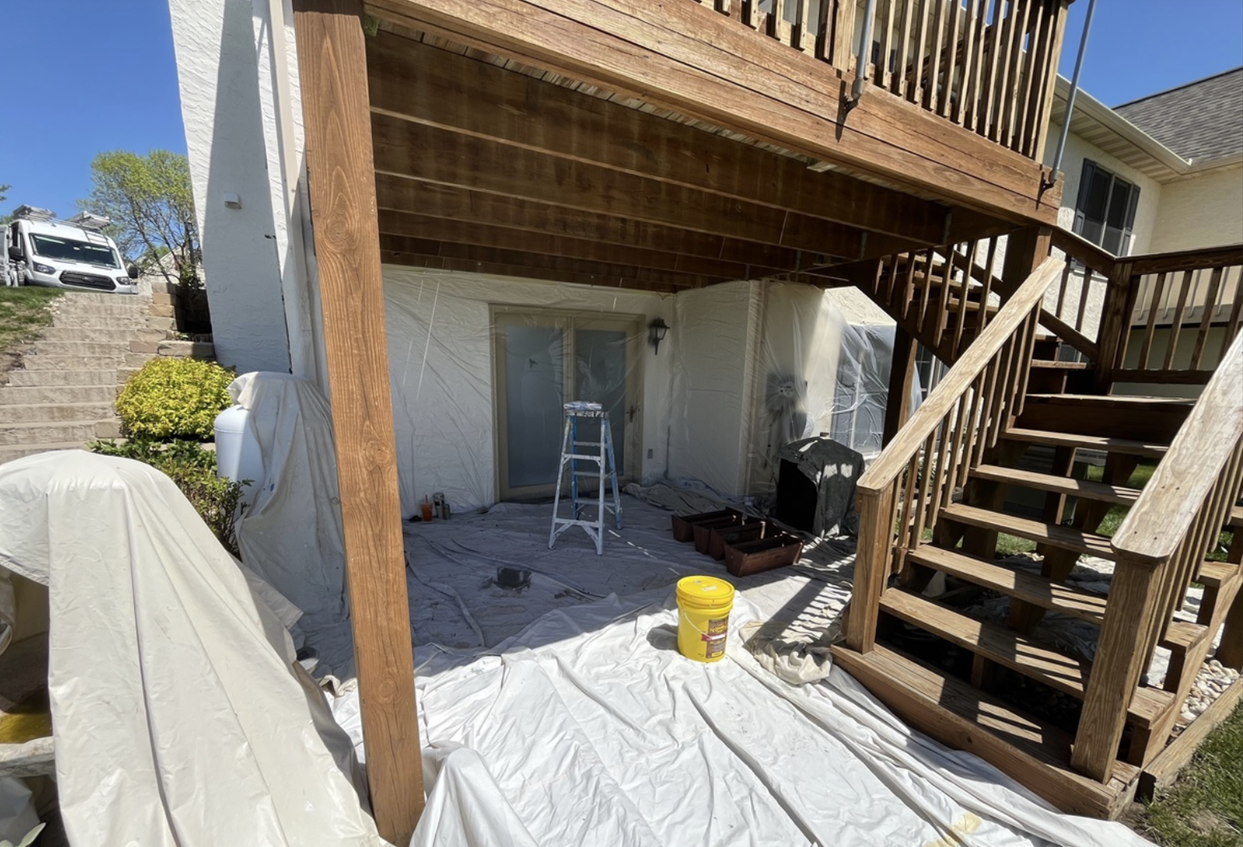
Our region experiences the full spectrum of weather conditions: freezing winters with heavy freeze-thaw cycles, wet springs, and intensely humid summers. While modern homes are built with synthetic wraps, composite siding, and pressure-treated lumber, historic homes rely on original materials like old-growth cedar, white pine, historic lime mortar, and porous stucco.
When historic exteriors fail, weather is usually the primary culprit:
- Freeze-Thaw Expansion: During Chester County winters, moisture seeps into micro-cracks in historic stucco, brick, or wood siding. When that moisture freezes, it expands, causing paint to pop, stucco to spall, and wood fibers to split.
- Old-Growth Wood Movement: Older wood siding swells in summer humidity and contracts in dry winter air. Standard rigid paints cannot flex at the same rate, which leads to cracking, flaking, and peeling.
- Trapped Moisture in Masonry: Historic brick and stone were designed to "breathe". When contractors coat historic masonry with modern, non-breathable latex or acrylic paint, moisture gets trapped behind the paint film. This slowly rots the underlying substrate and causes dramatic paint failure.
2. Preparation over Speed: The Art of Restoring Historic Surfaces
If there’s one golden rule in historic restoration, it is that 70% of the job happens before a paintbrush ever touches the house. Rushing the surface prep is why so many historic paint jobs fail within two or three seasons.
When our crew approaches a historic property, we take a deliberate, meticulous approach to preparation:
Gentle Paint Removal and Lead Safety
Many homes built before 1978 on the Main Line contain historical layers of lead-based paint. Careless scraping or high pressure washing can damage original wood profiles or spread lead dust across your lawn. As EPA Lead-Safe certified contractors, we use controlled hand scraping, specialized sanding tools with HEPA dust extraction, and chemical strippers where necessary to safely remove failing paint layers down to a sound substrate.
Preserving Original Woodwork
Your home’s original architectural trim, fascia, crown molding, and cedar siding are almost impossible to replace with matching modern lumber. Rather than ripping out damaged sections, we prioritize repair. We use specialized two-part epoxy wood restorers to rebuild rotted sections while preserving the surrounding original wood. When replacement is unavoidable, we custom-source historically accurate profiles that match the original dimensions.
Substrate Moisture Testing
Before applying primers or topcoats, we test the moisture content of the wood and masonry using digital moisture meters. Applying paint over damp timber is an absolute guarantee of future peeling. We ensure all substrates are thoroughly dry before moving forward.
Get the Perfect Finish for Your Home or Business
Let our experts help you choose the right paint. Get your free quote today!
3. Historic Color Compliance and Aesthetic Authenticity
Our region experiences the full spectrum of weather conditions: freezing winters with heavy freeze-thaw cycles, wet springs, and intensely humid summers. While modern homes are built with synthetic wraps, composite siding, and pressure-treated lumber, historic homes rely on original materials like old-growth cedar, white pine, historic lime mortar, and porous stucco.
When historic exteriors fail, weather is usually the primary culprit:
- Freeze-Thaw Expansion: During Chester County winters, moisture seeps into micro-cracks in historic stucco, brick, or wood siding. When that moisture freezes, it expands, causing paint to pop, stucco to spall, and wood fibers to split.
- Old-Growth Wood Movement: Older wood siding swells in summer humidity and contracts in dry winter air. Standard rigid paints cannot flex at the same rate, which leads to cracking, flaking, and peeling.
- Trapped Moisture in Masonry: Historic brick and stone were designed to "breathe". When contractors coat historic masonry with modern, non-breathable latex or acrylic paint, moisture gets trapped behind the paint film. This slowly rots the underlying substrate and causes dramatic paint failure.
2. Preparation over Speed: The Art of Restoring Historic Surfaces
If there’s one golden rule in historic restoration, it is that 70% of the job happens before a paintbrush ever touches the house. Rushing the surface prep is why so many historic paint jobs fail within two or three seasons.
When our crew approaches a historic property, we take a deliberate, meticulous approach to preparation:
Gentle Paint Removal and Lead Safety
Many homes built before 1978 on the Main Line contain historical layers of lead-based paint. Careless scraping or high pressure washing can damage original wood profiles or spread lead dust across your lawn. As EPA Lead-Safe certified contractors, we use controlled hand scraping, specialized sanding tools with HEPA dust extraction, and chemical strippers where necessary to safely remove failing paint layers down to a sound substrate.
Preserving Original Woodwork
Your home’s original architectural trim, fascia, crown molding, and cedar siding are almost impossible to replace with matching modern lumber. Rather than ripping out damaged sections, we prioritize repair. We use specialized two-part epoxy wood restorers to rebuild rotted sections while preserving the surrounding original wood. When replacement is unavoidable, we custom-source historically accurate profiles that match the original dimensions.
Substrate Moisture Testing
Before applying primers or topcoats, we test the moisture content of the wood and masonry using digital moisture meters. Applying paint over damp timber is an absolute guarantee of future peeling. We ensure all substrates are thoroughly dry before moving forward.
Maintaining historical accuracy is essential whether your property sits within a strict local historic district (like West Chester or Historic Chadds Ford) or you simply want to honor the home's original design era.
Selecting the right color palette requires balancing historic accuracy with your personal taste:
- Colonial & Early Federal (1700s–1820s): Early American homes favored muted, earthy tones derived from natural pigments. Earthy ochres, deep barn reds, soft sage greens, straw yellows, and warm off-whites were common.
- Victorian Era (1860s–1900s): The Victorian era embraced rich, contrasting color schemes with three to five accent colors per home. Deep burgundies, forest greens, dark teals, mustard yellows, and rich terracotta highlighted elaborate gingerbread trim, brackets, and decorative shingles.
- Colonial Revival & Craftsman (1900s–1930s): These styles returned to cleaner, classic looks: crisp whites, deep slate grays, muted blues, and natural dark stained trim.
If your home falls under local historical board guidelines, our team helps navigate period-appropriate color decks (such as Sherwin-Williams Historic Collection or Benjamin Moore Historical Colors) to ensure your chosen palette honors your home's heritage and meets local approval.
4. Coating Science: Using Breathable, High-Performance Coatings
Historic homes require modern paint engineering, but it must be the right kind of paint engineering.
Traditional oil paints, while historical, tend to become brittle over time and lack flexibility. Modern standard latex paints can trap moisture if applied incorrectly over historic masonry. The solution lies in specialized, breathable coating systems:
Breathable Mineral & Elastomeric Coatings for Stucco and Brick
For historic stucco and stone properties across the Delaware Valley, we often utilize breathable mineral silicate coatings or specialized lime washes. Unlike film-forming paints that seal surfaces like plastic wrap, mineral coatings bond directly into the masonry while allowing water vapor to escape from the inside out.
Oil-Based Primers and High-Flex Acrylic Topcoats for Wood
To protect historic wood siding, we often use slow-drying, deep-penetrating oil-based primers that lock down wood fibers and seal raw wood. We then topcoat with high-build, 100% acrylic latex paints that expand and contract smoothly alongside seasonal shifts in Mid-Atlantic weather. This oil primer and acrylic topcoat system follows the National Park Service's guidance on exterior paint problems on historic woodwork.
5. Why Specialized Historic Experience Matters
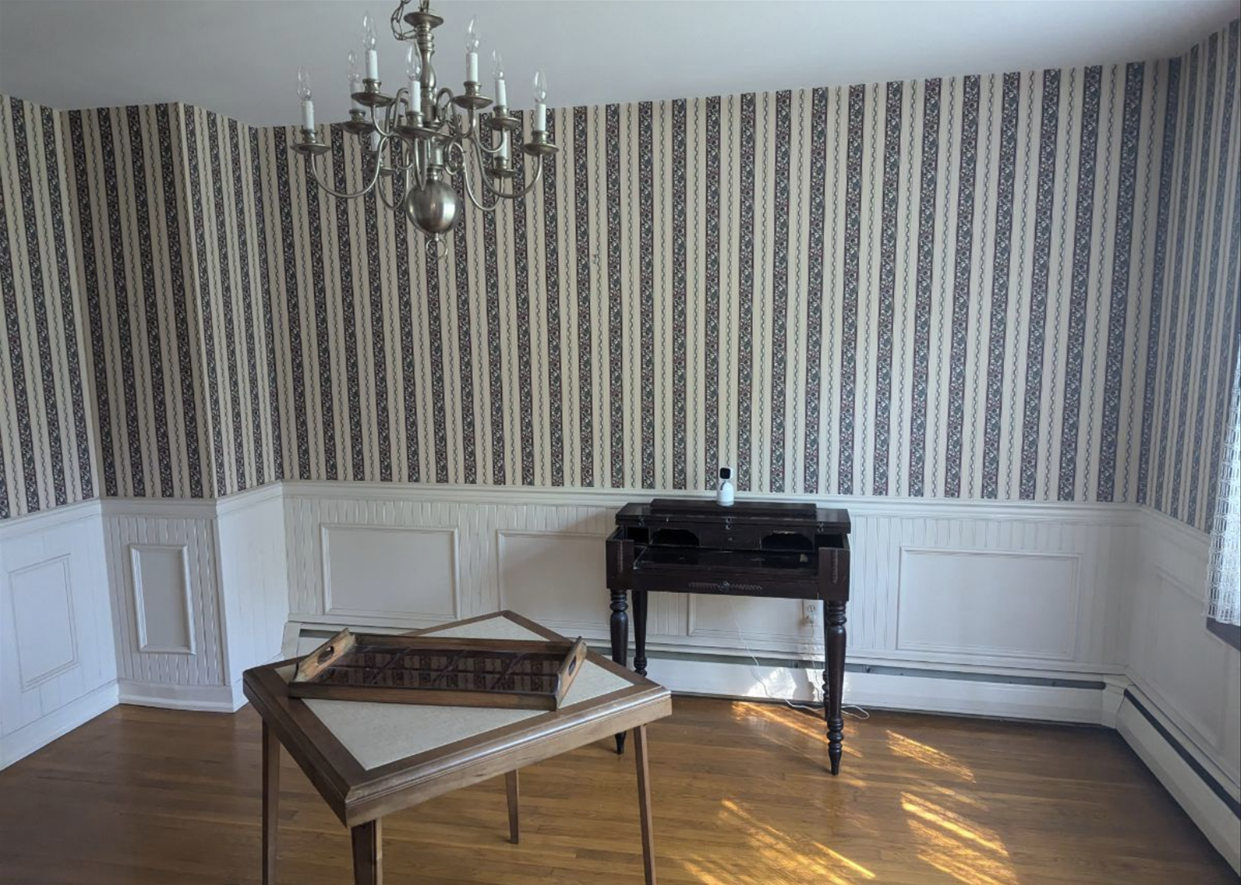
Restoring a historic home is a long-term investment in your property's structural integrity and architectural charm. Working with a contractor who lacks specific historic experience often leads to short-lived paint jobs, ruined architectural woodwork, and costly repairs down the road.
At Van Horn Painting, we treat every historic home and barn across Southeastern Pennsylvania and Northern Delaware with the craftsmanship and care it deserves. As members of the Painting Contractors Association, we hold every crew to the trade's professional standards. We don’t take shortcuts on preparation, we follow all local historical preservation guidelines, and we back our work with high-quality materials and our Three-Year Touch-Up Service to keep your historic home looking its best year after year.
If you own an antique home, estate property, or historic barn on the Main Line or in Chester County, we would love to discuss your project.
Contact Van Horn Painting today to schedule your personalized restoration consultation!
Written by
Brendon Van Horn
Founder & Owner, Van Horn Painting
Brenden VanHorn has spent over 20 years in the professional painting industry, mastering everything from advanced industrial coatings to historic home restoration across Southeastern Pennsylvania. He founded Van Horn Painting over 15 years ago to bring premium craftsmanship, reliable project management, and structural longevity to local property owners.
🛠️ Industry Credentials: