Blog

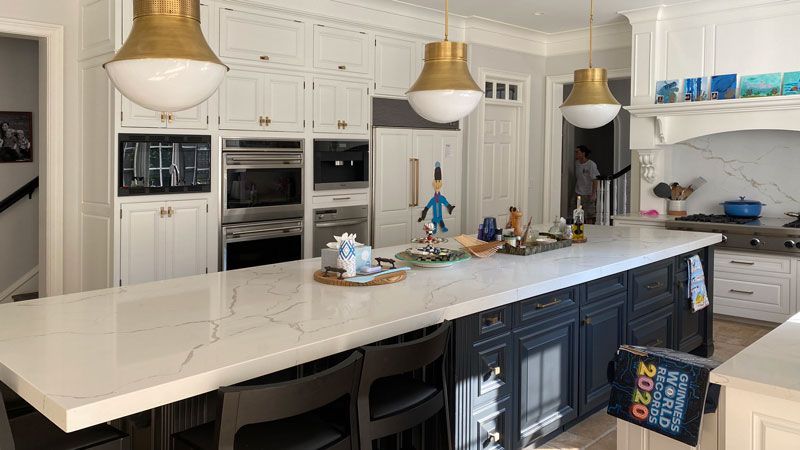
If your kitchen or bathroom cabinets are outdated, worn, or simply no longer match your style, you may be wondering what the best upgrading option is; cabinet painting , cabinet refinishing, or cabinet refacing. For over 15 years, Van Horn Painting has helped hundreds of homeowners and business owners throughout the Philadelphia Mainline make this exact decision. This guide is designed to be a one-stop resource for homeowners and business owners considering cabinet upgrades. We’ll explain how each option works, the pros and cons of each, realistic local cost ranges, and which solution is best for your home and budget. What’s the Difference Between Painting, Refinishing & Refacing? Before diving into costs and comparisons, it’s important to understand what each service actually involves. Each option has its place, but they are not equal in cost, timeline, or flexibility. Cabinet Painting: Existing cabinet boxes and doors are professionally prepped and painted with high-performance coatings. Cabinet Refinishing: Natural wood cabinets are stripped or sanded and stained or sealed to restore the wood finish. Cabinet Refacing: Cabinet boxes are covered with new veneer, and doors/drawer fronts are replaced entirely. Cabinet Painting: The Best Value for Most Homes How Cabinet Painting Works Cabinet painting is the preferred choice for homeowners in the Philadelphia area seeking a significant, modern aesthetic update without the expense associated with a complete kitchen remodel. When executed by professionals, the process ensures a smooth, factory-finished appearance. This meticulous approach involves several critical steps: First, a thorough deep cleaning and degreasing of all cabinet surfaces is performed to eliminate contaminants. This is followed by detailed sanding and surface preparation, which is essential for ensuring maximum paint adhesion. Finally, a high-adhesion primer is applied, followed by the fine-finish or spray application of a durable, cabinet-grade paint. Benefits of Cabinet Painting Most cost-effective option Fast turnaround (often 3–5 days) Wide range of color choices Minimal disruption to your home Eco-friendly (no materials discarded) Average Cost of Cabinet Painting in the Philadelphia Mainline $3,000 – $7,000 for an average-sized kitchen (Price varies by cabinet count, condition, and finish selection). Best For: Cabinets that are structurally sound Homeowners wanting a modern or updated look Budget-conscious renovations with high ROI

Choosing the right paint is one of the most important decisions you’ll make for your home or commercial property. Whether you’re refreshing a historic Philadelphia rowhome, updating a kitchen, or maintaining a high-traffic commercial space in Wilmington, understanding the differences between water-based paint vs oil-based paint can save you time, money, and frustration. As a professional painting company serving Southeastern Pennsylvania and Northern Delaware, we’ve worked with both paint types for decades. This guide breaks down everything you need to know, from history and composition to durability, cost, and best use cases so you can make a confident, informed decision. A Brief History of Water-Based and Oil-Based Paints Oil-Based Paint: The Traditional Standard Oil-based paints dominated the industry for centuries. Made with natural oils like linseed oil, they were prized for their durability, smooth finish, and long lifespan. Older homes throughout Philadelphia and Chester County often still have oil-based coatings on trim, doors, and windows. Water-Based Paint: The Modern Evolution Water-based paints (commonly called latex or acrylic paints) gained popularity in the mid-20th century as technology improved. Early versions lacked durability, but modern formulations have evolved dramatically. Today’s high-quality water-based paints rival, and in many cases outperform, oil-based paints while being safer and more environmentally friendly. What Are Water-Based and Oil-Based Paints Made Of?