Pressure Washing Before Painting: Why It Matters for Your Home
When homeowners are getting ready for an exterior painting project, choosing the right color and paint is usually at the top of the list. But before any paint goes on the house, there's another step that can have a major impact on the finished result: pressure washing.
At Van Horn Painting, we know that good exterior painting starts long before the first coat of paint is applied. If the surface is dirty, chalky, covered with mildew, or carrying years of accumulated grime, even high-quality paint may not adhere properly or look its best.
For homeowners in West Chester, the Main Line, and Northern Delaware, exterior surfaces deal with plenty of seasonal wear. Rain, humidity, pollen, dirt, algae, mildew, and changing temperatures can all leave their mark. That makes thorough exterior painting preparation especially important.
So, is pressure washing always necessary before painting? What does it actually accomplish? And can homeowners do it themselves?
Let's take a closer look!
Why Pressure Washing Before Painting Is Important
Over time, exterior surfaces collect much more than visible dirt.
Depending on the property, siding, stucco, brick, trim, and other surfaces may have:
- Dirt and dust
- Pollen
- Cobwebs
- Algae
- Mildew
- Bird droppings
- Chalky residue from old paint
- Pollution and airborne debris
Painting over these contaminants can create problems with adhesion and appearance. A clean surface gives the new coating a better foundation. It also allows a painting contractor to see the actual condition of the surface before deciding how much additional preparation is necessary.
That's one reason we consider cleaning an important part of the overall exterior painting preparation process.
Pressure Washing Does More Than Make Your House Look Clean
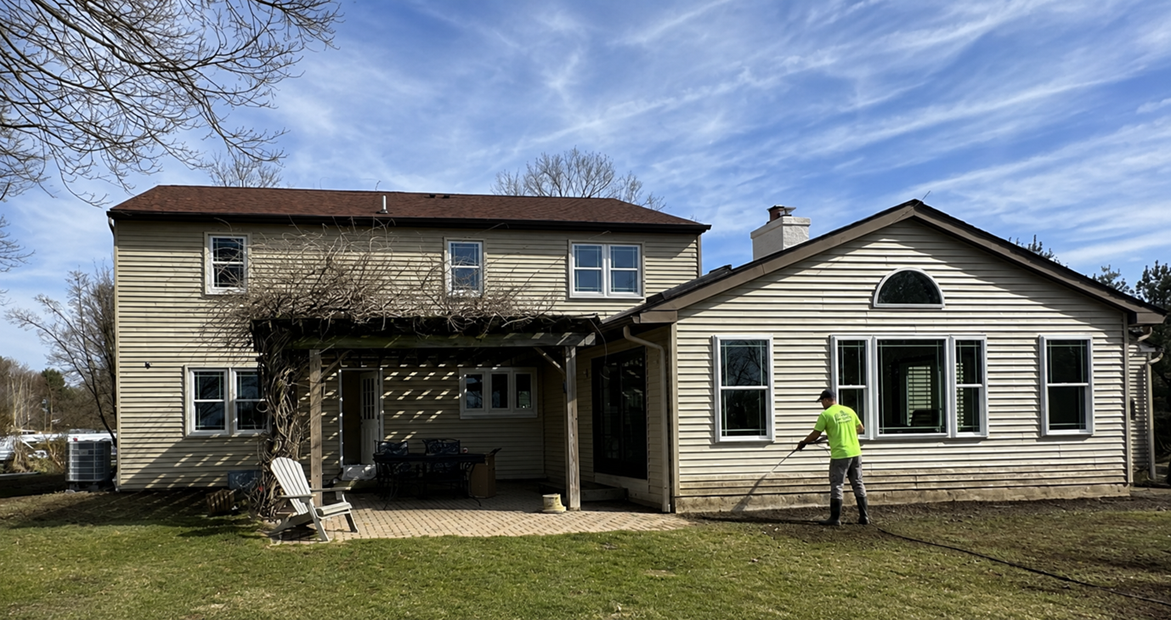
It’s easy to think of pressure washing as simply a cosmetic service. If your siding looks dirty, pressure washing makes it look cleaner. But when painting is involved, cleaning serves a much more important purpose.
It Helps Remove Surface Contaminants
Paint needs a clean surface to adhere properly. Dirt, mildew, and other contaminants can interfere with that adhesion.
If contaminants remain underneath a new coating, you may eventually see peeling, flaking, blistering, uneven coverage and the new paint may start deteriorating prematurely. Cleaning the surface first helps eliminate one potential cause of these problems.
It Reveals Problems That Need Attention
A dirty exterior can hide problems. Once the surface has been cleaned, a painting contractor may be able to identify peeling paint, cracked caulking, damaged wood, rot, or masonry problems. This matters because pressure washing is not a substitute for prep work and repairs, it’s a step in the preparation process.
It Helps Create a More Consistent Finish
Imagine painting a wall in your home without cleaning years of dirt and dust from it first. The finished result probably would not look very good.
The same principle applies outside. A clean exterior provides a more consistent surface for primer and paint, helping the finished color look uniform instead of patchy or uneven.
Not Every Exterior Surface Should Be Pressure Washed the Same Way
One of the biggest mistakes homeowners can make is assuming that every exterior material can be cleaned using the same pressure and technique.
That's not the case. Different materials require different approaches.
Wood Siding
Wood siding can be particularly sensitive to excessive pressure.
Too much pressure can:
- Damage the wood fibers
- Force water into vulnerable areas
- Remove sound paint unnecessarily
- Create a rough surface
Wood siding may require a combination of appropriate cleaning methods, scraping, sanding, spot priming, and other preparation before painting.
Vinyl Siding
Vinyl is generally easier to clean, but pressure still needs to be controlled. High pressure can potentially force water behind siding or damage components around windows, doors, and other openings.
A professional should also pay attention to mildew and algae rather than simply blasting the surface with water.
Stucco
Stucco requires additional care because of its porous and textured nature. Aggressive pressure can damage the surface or force water into cracks and vulnerable areas.
Before painting stucco, it is important to evaluate its condition and address cracks or other problems first.
Brick and Masonry
Brick and masonry can also require specialized cleaning methods. The goal isn't simply to make the surface look clean. It is to remove contaminants without unnecessarily damaging the masonry or mortar.
If the brick will be painted, the condition and moisture characteristics of the surface should be considered before selecting a coating.
Exterior Trim
Trim, shutters, doors, and other detailed surfaces often require a more controlled approach.
These areas may be easier to clean by hand or with lower-pressure methods, particularly when existing paint is already deteriorating.
Get the Perfect Finish for Your Home or Business
Let our experts help you choose the right paint. Get your free quote today!
Pressure Washing Is Not the Same as Surface Preparation
This is an important distinction for homeowners. You may hear a painting contractor say that a house needs to be "prepped," but preparation involves much more than cleaning. Pressure washing can be an important first step, but it doesn't prepare an exterior for painting.
Depending on the condition of your home, exterior painting preparation may include:
Cleaning: Removing dirt, mildew, algae, pollen, and other contaminants.
Scraping: Removing loose or failing paint.
Sanding: Smoothing rough edges and creating a suitable surface for new coatings.
Caulking: Sealing appropriate gaps around trim, windows, doors, and joints.
Repairs: Addressing damaged wood, cracks, or other issues before painting.
Priming: Applying primer where necessary to improve adhesion, coverage, or protection.
Should You Pressure Wash Your House Yourself?
This is where homeowners need to use some judgment. There are certainly exterior cleaning projects that can be handled as DIY maintenance. If you already own a pressure washer and understand how to safely clean your particular siding, you may be comfortable handling basic cleaning.
However, pressure washing before painting requires more care than simply pointing the machine at the house and pulling the trigger.
DIY Pressure Washing May Make Sense When:
The important thing is to avoid assuming that more pressure means better cleaning. It doesn't. DIY pressure washing makes sense when:
- You are cleaning a small, accessible area.
- The surface is in good condition.
- You understand the appropriate pressure for the material.
- There is no significant peeling or damaged paint.
- You can safely reach the areas being cleaned.
When Should You Call a Professional?
If you're preparing for a complete exterior painting project, having the painting contractor evaluate the property first can be a better approach. There are also obvious safety considerations. Ladders, wet surfaces, electrical equipment, and pressure-washing equipment can create unnecessary risks for homeowners who aren't experienced with the process.
Professional help is especially worthwhile when:
- Your home is two or more stories.
- The exterior has significant peeling paint.
- You see mildew or algae growth.
- Wood siding may be damaged.
- Stucco has cracks.
- The property has several exterior materials.
- You are unsure what pressure or cleaning method is appropriate.
- You need extensive preparation before painting.
Don't Paint Immediately After Pressure Washing
Another common mistake is assuming that once the house looks clean, it's ready for paint. It may not be.
Exterior surfaces need adequate time to dry before painting. How long that takes depends on factors such as:
- Weather
- Humidity
- Temperature
- Sun exposure
- The material being painted
- How much water was used
Wood, in particular, can retain moisture longer than homeowners might expect. Painting a surface before it has adequately dried can create adhesion and performance problems. This is one reason professional exterior painters pay attention to weather conditions when scheduling work.
What About Pressure Washing an Already Painted House?
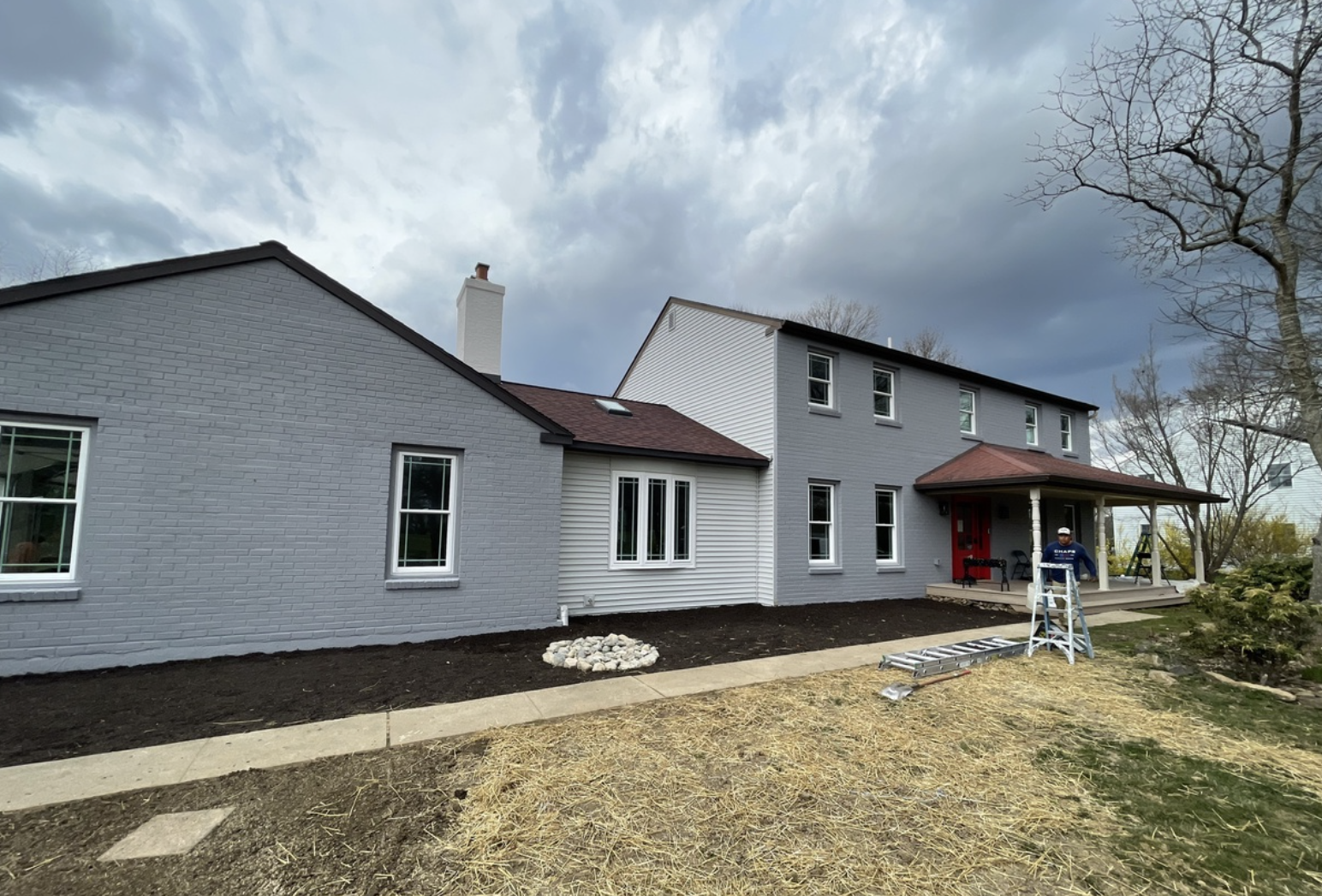
You don't necessarily have to wait until you're ready to repaint before cleaning your exterior. Routine exterior cleaning can help keep your home looking better between painting projects.
However, pressure washing should be done carefully if the existing paint is already failing. If you have widespread peeling or flaking paint, aggressive pressure washing may remove more paint than intended or reveal underlying problems. On homes built before 1978, that loosened paint may also contain lead, and the EPA requires paid contractors to use lead-safe work practices whenever they disturb it.
In that situation, it's often better to have a professional evaluate the condition of the existing coating before deciding on the appropriate cleaning method.
Does Every House Need Pressure Washing Before Painting?
Not necessarily. The right preparation depends on the condition and material of the exterior. A relatively clean surface may require a lighter cleaning process, while a home with years of dirt, mildew, and pollen buildup may require more extensive washing.
This is one reason we don't recommend treating every exterior painting project exactly the same way. At Van Horn Painting, we look at the actual condition of the home and determine what preparation is appropriate for the surfaces we're painting.
Why Proper Preparation Can Make Your Paint Job Last Longer
Homeowners understandably want to get to the exciting part of an exterior painting project: choosing the color and seeing the transformation.
But the work that happens before painting is just as important.
A beautiful color applied over a poorly prepared surface can still fail prematurely.
Proper preparation helps create the foundation for a truly professional job with longer-lasting results. That is particularly important in southeastern Pennsylvania and Northern Delaware, where exterior surfaces experience hot summers, cold winters, moisture, and repeated seasonal changes.
Ready to Repaint Your Home?
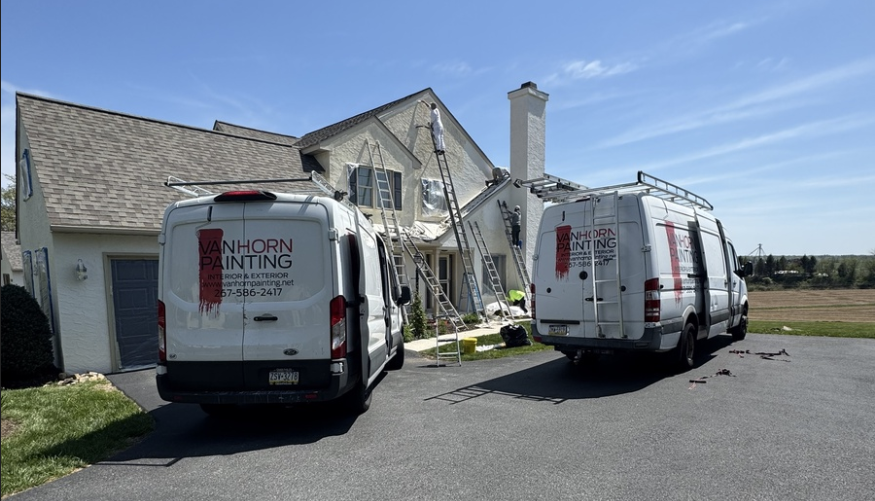
If your home's exterior is looking dirty, faded, peeling, or simply outdated, pressure washing may be an important first step toward a successful painting project. But cleaning is only one part of the process.
The right combination of cleaning, surface repairs, preparation, quality paint, and professional application can make a significant difference in how your exterior looks and how long the finished paint job lasts.
If you're considering exterior home painting in West Chester, Chester County, the Main Line, or Northern Delaware, Van Horn Painting can help you determine what your home needs before the first coat goes on. We are also proud members of the Painting Contractors Association.
A great exterior paint job doesn't start with the paint. It starts with the surface underneath it.
Written by
Brendon Van Horn
Founder & Owner, Van Horn Painting
Brenden VanHorn has spent over 20 years in the professional painting industry, mastering everything from advanced industrial coatings to historic home restoration across Southeastern Pennsylvania. He founded Van Horn Painting over 15 years ago to bring premium craftsmanship, reliable project management, and structural longevity to local property owners.
🛠️ Industry Credentials: