How to Prepare Your Home for Professional Painters
Hiring professional painters can make a major difference in a home painting project's final result, but homeowners still have an important role to play before the first coat goes on.
Fortunately, preparing your home for
professional painters doesn't mean doing all the work yourself. Your painting contractor should handle the actual surface preparation, repairs included in the scope of work, protecting the work area, and preparing surfaces for paint.
Your job is primarily to make sure the painters can safely and efficiently access the areas being painted and that your belongings are protected.
Whether you're preparing for an interior painting project in West Chester or giving your Chester County home a refresh, following these steps can make the process smoother for everyone.
1. Move Furniture Away From the Walls
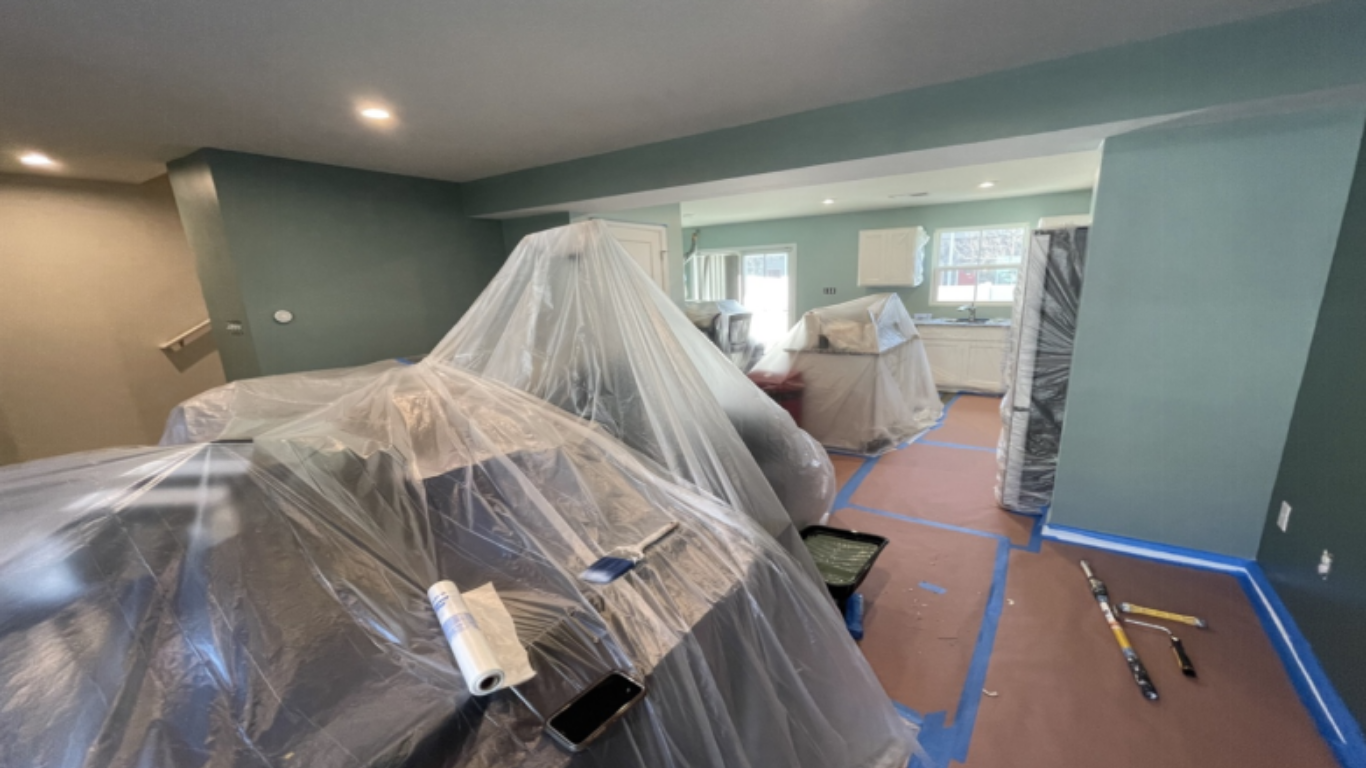
Before moving anything, ask your contractor what they expect you to handle. Some companies include moving standard household furniture in their preparation, while others ask homeowners to move smaller or particularly valuable items themselves.
For
interior painting, start by moving furniture away from the walls that will be painted. Ideally, remove smaller pieces from the room entirely. Larger furniture that can't easily be moved can usually be positioned toward the center of the room, leaving enough space for the painting crew to work.
Don't worry about trying to cover everything yourself. Professional painters should use appropriate drop cloths, plastic, and other protective materials as part of their preparation process.
2. Remove Valuables and Fragile Items
Take valuable, fragile, or sentimental belongings out of the work area whenever possible. Even with careful professional protection, a painting project involves people moving ladders, equipment, furniture, and materials around your home. Removing particularly valuable items eliminates unnecessary risk and gives the crew more room to work.
This includes:
- Artwork
- Collectibles
- Small electronics
- Antiques
- Delicate decorations
- Breakable items
- Jewelry or other valuables
3. Take Down Wall Decorations
If you're having interior walls painted, remove pictures, mirrors, clocks, shelves, and other wall-mounted decorations before the painters arrive unless you've specifically arranged for the contractor to handle them. Keep the hardware together if you plan to reinstall the items afterward.
This is also a good opportunity to decide whether you actually want everything put back in the same location. Painting often makes homeowners realize that certain artwork or decorations could be arranged differently.
4. Don't Worry About Doing the Painter's Prep Work
One of the most important things homeowners should understand is that you don't need to make the walls perfect before the painters arrive.
Professional preparation may include cleaning surfaces, scraping loose paint, sanding, caulking, filling minor imperfections, repairing drywall, priming, and other work depending on the project. The exact preparation should be established in your estimate or scope of work.
If you see nail holes, scuffs, cracks, peeling paint, or other problems you'd like addressed, point them out during the consultation. Don't assume that every repair is automatically included in a painting estimate.
A good contractor should explain what preparation and repairs are included and identify anything that would be an additional service.
5. Decide on Colors Before the Project Begins
Try to finalize your paint colors before the crew arrives. Last-minute color changes can create delays, especially if paint has already been purchased or a room has already been prepared. If you're uncertain about a color, test samples beforehand and look at them under different lighting conditions.
For larger projects, consider how the colors will work together throughout the home. You don't necessarily need every room to be the same color, but a coordinated palette can make the finished house feel more cohesive.
Also confirm your choices for:
- Walls
- Ceilings
- Trim
- Doors
- Accent walls
- Different finishes or sheens
If you're unsure about sheen, your painting contractor can help you choose an appropriate finish based on the room and surface. You can also check out our article on
The Do’s and Don’ts of Interior Painting to dive deeper into the topic!
Get the Perfect Finish for Your Home or Business
Let our experts help you choose the right paint. Get your free quote today!
6. Make Sure the Crew Can Access the Work Areas
Professional painters need enough room to work safely. Clear walkways and access to the rooms being painted. Move items away from doors, stairways, closets, and other areas the crew may need to reach.
For exterior painting, make sure the crew can access the areas included in the project. This may mean moving patio furniture, grills, planters, children's toys, decorations, or other items away from exterior walls.
If there are areas that are difficult to access, mention them before the project starts. Your contractor can determine whether ladders, scaffolding, lifts, or other equipment will be needed.
7. Make a Plan for Pets
Paint projects can be stressful for pets, particularly when unfamiliar people are moving around the house. Dogs and cats should generally be kept away from active work areas. Depending on your home and the scope of the project, it may be easiest to keep pets in another part of the house or arrange for them to stay somewhere else during particularly disruptive portions of the project.
Pets can also accidentally walk through wet paint or interfere with equipment and materials. Let your painting contractor know about pets before work begins so you can agree on the best way to keep everyone safe.
8. Plan for Your Daily Routine
Think about how you'll use your home while the painters are working. If the kitchen is being painted, you may need an alternative place to prepare meals. If bedrooms or bathrooms are included, consider where you'll stay while those areas are unavailable.
For larger projects, ask your contractor about the anticipated schedule and whether rooms will be completed in stages.
You don't necessarily need to leave the house during an interior painting project, but you should understand which areas will be unavailable and when.
9. Communicate About Special Concerns
Before work begins, tell your contractor about anything that could affect the project.
Examples include:
- Previous water damage
- Known leaks
- Cracks or recurring wall problems
- Sensitive flooring
- Fragile fixtures
- Accessibility concerns
- Areas that should not be painted
- Furniture that cannot be moved
- Specific scheduling requirements
This is particularly important with older homes.
If your home was built before 1978, talk with your contractor about lead-based paint before work begins. The U.S. Environmental Protection Agency's
Renovation, Repair and Painting Rule covers paid renovation, repair, and painting work that disturbs paint in pre-1978 homes and requires covered contractors to follow lead-safe work practices.
What Does the Painting Contractor Handle?
A common concern among homeowners is wondering how much preparation they are expected to do themselves.
While the scope varies between contractors and projects, professional painters generally handle the painting-related preparation included in the estimate.
That may include:
- Protecting floors and furnishings
- Cleaning surfaces
- Scraping loose or failing paint
- Sanding
- Caulking
- Filling minor surface imperfections
- Priming
- Preparing trim and other painted surfaces
- Applying the specified coatings
- Cleaning the work area afterward
The important word is included.
Every project is different, so ask your contractor to explain exactly what is included in your estimate. If extensive drywall repair, carpentry, water-damage repair, or other work is needed, it may fall outside the standard painting scope.
What to Expect on Painting Day
Once you've prepared your home, the best thing you can do is give the crew room to work.
A professional painting crew should arrive with the equipment and materials needed for the agreed-upon project. They should protect appropriate surfaces, prepare the areas being painted, and communicate with you if they encounter an unexpected issue.
You should also expect some normal disruption. There may be ladders, drop cloths, equipment, paint odors, and areas of the home that temporarily can't be used. That's part of the process.
Before the project begins, establish how you'll communicate with the project manager or crew if you have questions or concerns.
A Simple Pre-Painting Checklist
A few days before your painters arrive, run through this checklist:
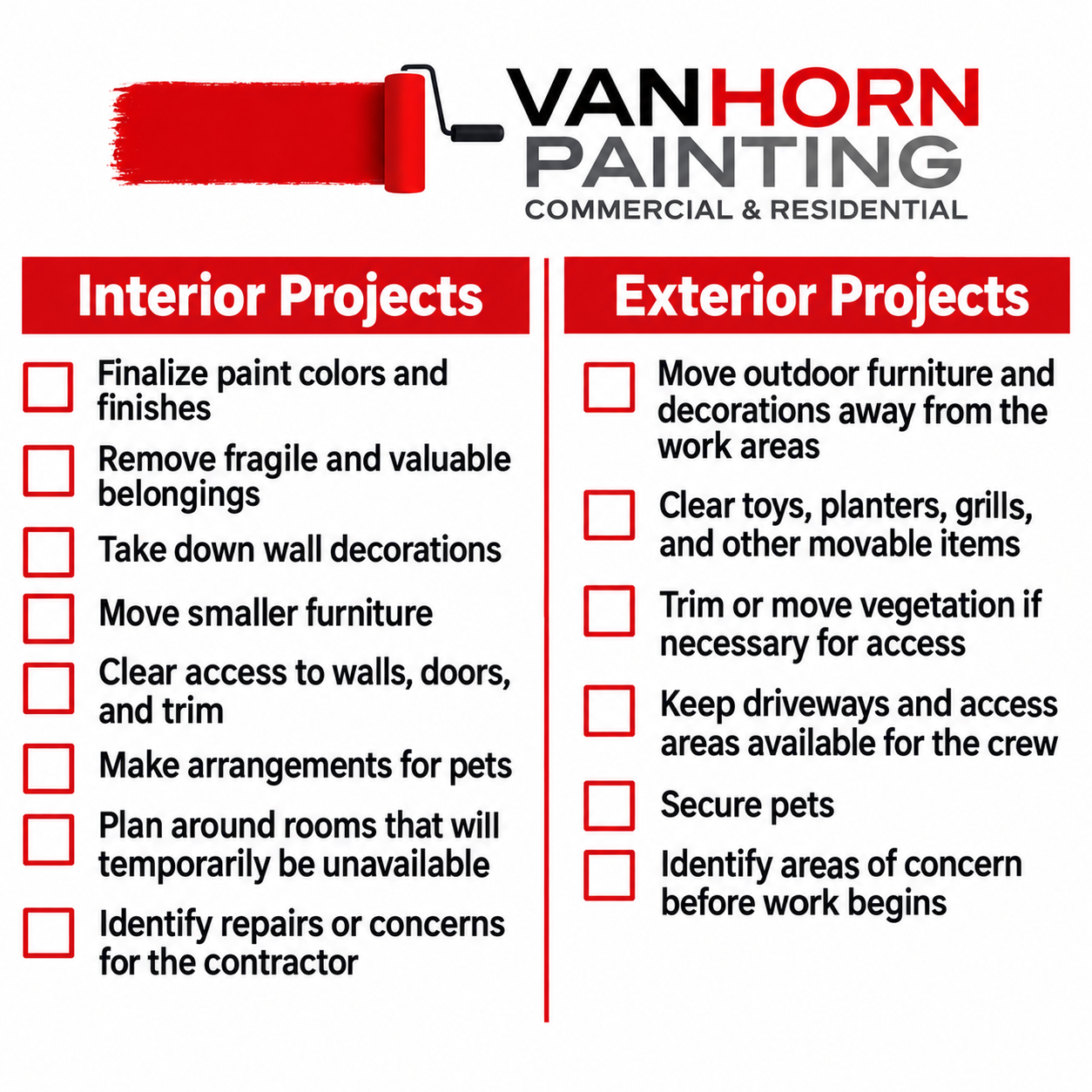
Most importantly,
don't hesitate to ask questions.
A good painting contractor should be happy to explain what you need to do before the project begins, what the crew will handle, how long the work is expected to take, and what you can expect while they're working.
A Little Preparation Makes Painting Day Easier
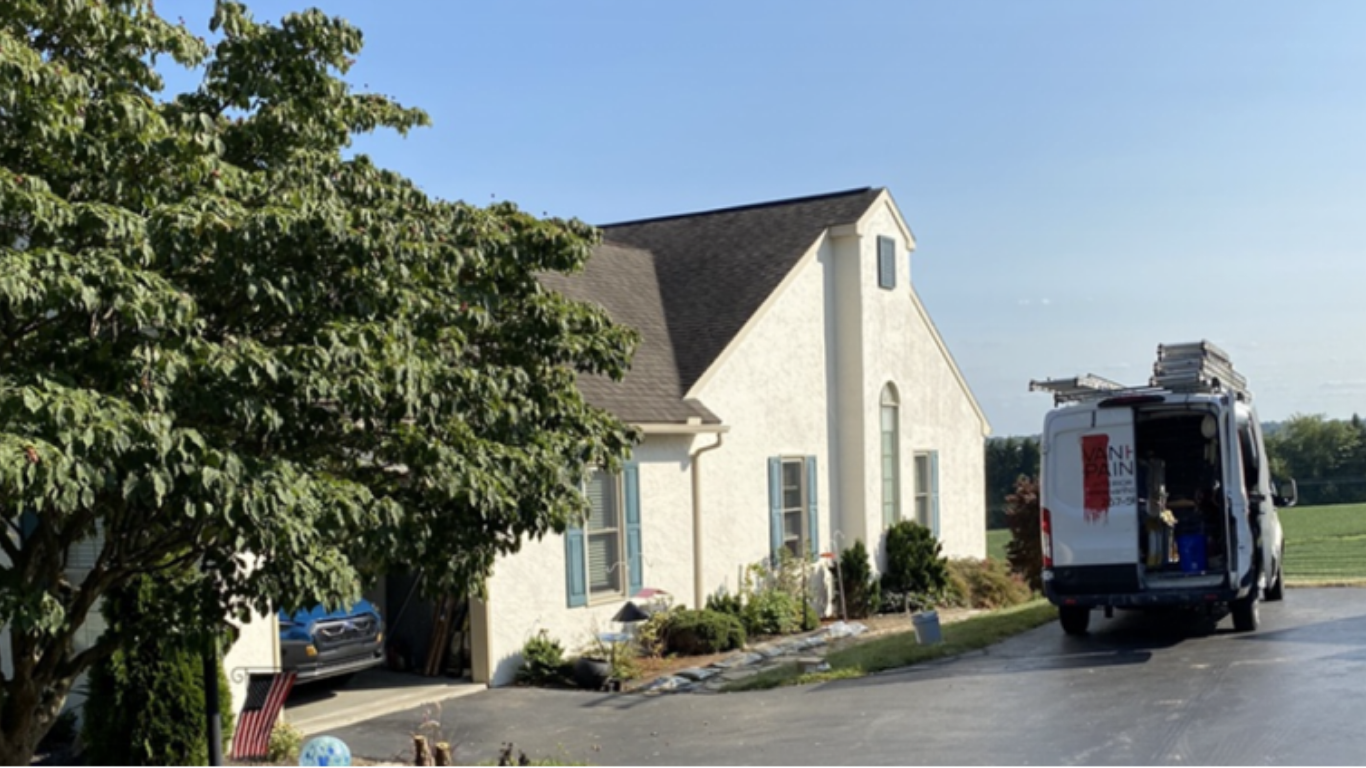
Preparing your home for professional painters isn't about doing the contractor's job for them. It's about creating a safe, accessible workspace and making sure your belongings, pets, schedule, and expectations are taken care of before work begins for a smoother process. The more clearly everything is discussed before the project starts, the fewer surprises you're likely to encounter.
At Van Horn Painting, we work with homeowners throughout West Chester, Chester County, the Philadelphia Main Line, and Northern Delaware. Our process includes careful preparation, protection of your property, quality materials, and attention to the details that help produce a clean, professional result.
If you're planning an interior or exterior painting project, we're happy to help you understand what needs to happen before the first coat of paint is applied.
Ready to get your home ready for a fresh coat of paint?
Contact Van Horn Painting to discuss your project and schedule a consultation.
Written by
Brendon Van Horn
Founder & Owner, Van Horn Painting
Brenden VanHorn has spent over 20 years in the professional painting industry, mastering everything from advanced industrial coatings to historic home restoration across Southeastern Pennsylvania. He founded Van Horn Painting over 15 years ago to bring premium craftsmanship, reliable project management, and structural longevity to local property owners.
🛠️ Industry Credentials: