How to Minimize Business Downtime During Commercial Painting
Smart Planning Tips from a Trusted Commercial Painting Contractor in West Chester, PA
For many business owners, the idea of starting a commercial painting project comes with one major concern: downtime.
Whether you operate a retail store, restaurant, office, warehouse, medical practice, or apartment complex, disruptions to daily operations can affect customers, employees, scheduling, and even revenue. The good news is that with the right planning, and the right commercial painting contractor, most painting projects can be completed with minimal interruption.
At Van Horn Painting, we work with businesses throughout West Chester, the Philadelphia Main Line, Chester County, and Northern Delaware, helping commercial clients complete painting projects efficiently while keeping operations moving.
The key is understanding that every business operates differently. What works for an office building may not work for a restaurant, and a warehouse has completely different priorities than a retail space.
Here are practical ways business owners can minimize downtime during commercial painting projects.
Start With a Detailed Project Plan
One of the biggest mistakes businesses make is treating commercial painting as something that can simply “fit in” around daily operations without a plan.
A professional painting contractor can help establish the following:
- A realistic timeline
- Work phases and priorities
- Access requirements
- Scheduling around busy hours
- Surface preparation needs
- Safety considerations
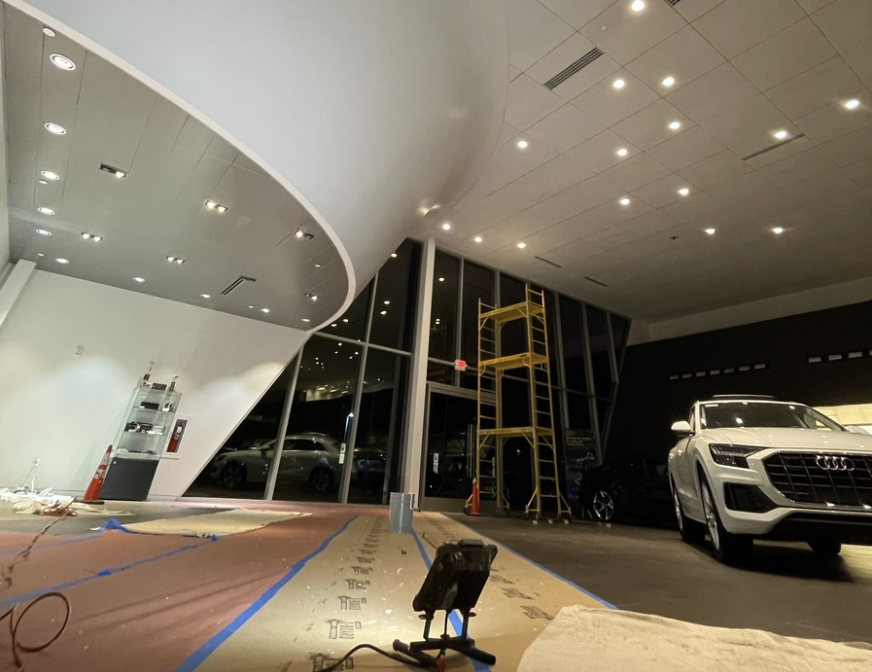
The more organized the project is upfront, the smoother it goes once work begins. For example, painting a professional office may be done in phases floor-by-floor, while a retail business may prioritize customer-facing areas after hours. Every building requires a different strategy.
Schedule Painting During Slower Business Hours
This is one of the easiest and most effective ways to reduce disruption. At Van Horn Painting, we regularly coordinate flexible scheduling for businesses that cannot afford daytime interruptions. However, the best timing depends heavily on the industry.
Depending on the business type, commercial painting can often be scheduled during:
- Evenings
- Weekends
- Holidays
- Seasonal slow periods
- Overnight shifts
Tips for Different Types of Commercial Buildings
Office Buildings & Professional Spaces
Professional offices often have more flexibility than customer-facing businesses. For offices, low-odor and fast-drying paints are especially important. Employees need to return to a comfortable environment quickly.
Best Practices:
- Paint after business hours
- Work section-by-section
- Relocate employees temporarily within the building
- Prioritize conference rooms or unused spaces first
Common Goal:
Maintain productivity while improving the workspace. A fresh paint job can significantly improve employee morale, lighting, and overall professionalism without major operational disruption.
Retail Stores & Shopping Spaces
Retail environments require a different approach because customer experience is everything. Retail painting projects often move in phases so customers can continue shopping safely. Color choice also matters more in retail spaces than many business owners realize. Updated paint can modernize the shopping environment and influence how customers perceive the brand.
Best Practices:
- Schedule work overnight or before opening hours
- Paint one section at a time
- Keep entrances and checkout areas accessible
- Protect merchandise carefully from dust and debris
Common Goal:
Keep the store open while improving appearance.
Get the Perfect Finish for Your Home or Business
Let our experts help you choose the right paint. Get your free quote today!
Restaurants & Cafés
Restaurants present unique challenges because cleanliness, ventilation, and customer comfort are critical.
Best Practices:
- Schedule painting during closed days or overnight
- Use low-VOC products whenever possible
- Focus on dining areas separately from kitchens
- Coordinate carefully around food preparation regulations
Restaurants often benefit from staged painting plans that rotate through sections gradually.
For example:
- Dining room first
- Hallways and restrooms second
- Bar area separately
Common Goal:
Avoid disrupting customer dining experiences. Because restaurants rely heavily on atmosphere, even small paint updates can dramatically improve how customers perceive the space.
Medical & Healthcare Facilities
Medical offices, dental practices, and clinics require extra attention to cleanliness and scheduling. Healthcare environments also benefit from calming, professional color palettes that support patient comfort.
Best Practices:
- Schedule work during weekends or reduced patient hours
- Use low-odor, low-VOC coatings
- Isolate work areas carefully
- Maintain clear patient access paths
Common Goal:
Protect patient experience and maintain safety standards.
Warehouses & Industrial Buildings
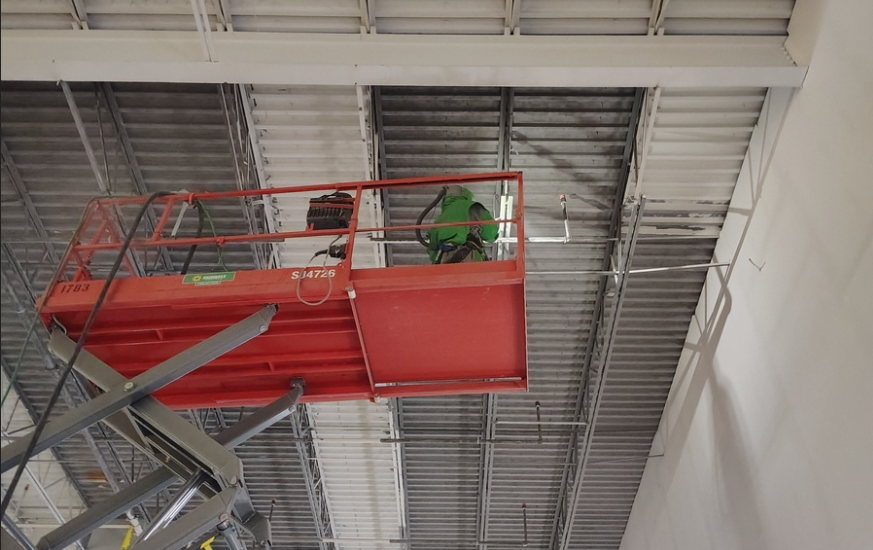
Warehouses are often easier to paint operationally, but they involve larger surfaces and safety considerations.
Best Practices:
- Paint in sections to maintain workflow
- Coordinate around equipment movement
- Use durable industrial coatings
- Schedule high-traffic areas during off-hours
In industrial environments, paint is often about more than appearance. Coatings may improve:
- Safety visibility
- Floor durability
- Lighting reflection
- Surface protection
Common Goal:
Maintain operational efficiency and safety.
Apartment Complexes & Multi-Family Properties
Property managers often need painting completed while minimizing tenant disruption. Tenant communication becomes one of the most important parts of the project.
Best Practices:
- Communicate schedules clearly in advance
- Paint common areas during daytime hours
- Work building-by-building or floor-by-floor
- Coordinate exterior projects around parking and entrances
Common Goal:
Improve property appearance while keeping residents comfortable.
Choose the Right Paint Products
One of the most overlooked ways to minimize downtime is selecting the right paint products from the beginning. Using higher-quality commercial coatings may cost slightly more upfront, but they often reduce disruption and extend repaint cycles significantly.
Modern commercial coatings offer significant advantages, including:
- Faster drying times
- Low odor formulations
- Lower VOC emissions
- Improved durability
- Better washability
Low-VOC and low-odor paints are especially important for:
- Offices
- Healthcare spaces
- Restaurants
- Schools
- Occupied commercial buildings
Proper Preparation Reduces Delays
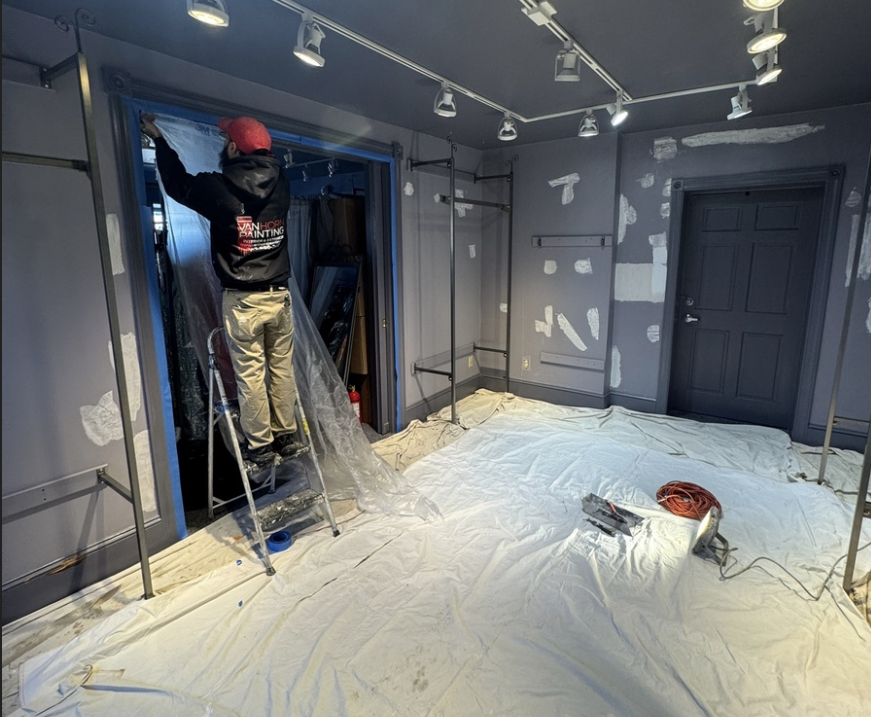
Many commercial painting delays happen because of poor preparation.
Before painting begins, a professional contractor should identify:
- Surface damage
- Moisture problems
- Peeling paint
- Cracks or failing caulking
- Repairs needed before coating
Skipping prep work may speed things up temporarily, but it often leads to premature failure later. At Van Horn Painting, we emphasize preparation because it directly impacts both project efficiency and long-term durability.
A properly prepared surface:
- Paints faster
- Dries more evenly
- Reduces callbacks
- Lasts longer
Communication Is Critical
The most successful commercial painting projects usually have one thing in common: clear communication. Unexpected surprises are what create frustration and operational issues. An experienced commercial painting contractor should help create a process that feels organized from start to finish.
Business owners should always know:
- When crews will arrive
- Which areas are being painted
- What access is needed
- What temporary disruptions to expect
- When sections will be completed
Temporary Adjustments Can Prevent Major Disruption
Sometimes small operational adjustments make a huge difference. These temporary solutions often allow businesses to remain fully operational during projects that might otherwise require partial closure.
Examples include:
- Temporarily shifting employee workstations
- Redirecting customer entrances
- Adjusting delivery schedules
- Rotating usable areas during phased painting
Why Hiring a Professional Commercial Painting Contractor Matters
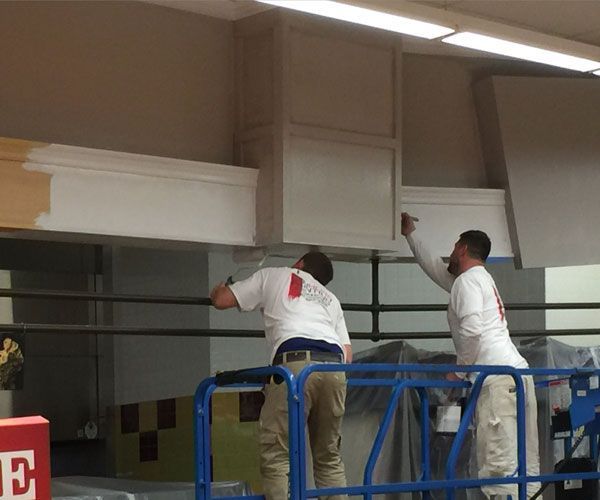
Commercial painting projects follow a different rhythm than residential ones, so it is essential to hire an experienced contractor who knows how to work efficiently without causing unnecessary disruption. At Van Horn Painting, we’ve been providing businesses with top of the line commercial painting in West Chester and Southeastern Pennsylvania for many years by combining careful planning and professional execution to ensure minimal downtime.
Our approach focuses on improving your commercial building while keeping your business running smoothly through scheduling flexibility, safety planning, fast turnaround times, durable coatings, and professional coordination.
Final Thoughts
A commercial painting project does not have to bring business operations to a halt. With proper planning, phased scheduling, the right products, and clear communication, an experienced painting contractor ensures that most businesses can stay operational throughout the process.
Every property is different, and the best approach depends on the type of building, operating hours, customer traffic, and overall business needs. The key is working with an expert commercial painting contractor who understands how to adapt the project to your business, not the other way around.
If your commercial property in West Chester, the Main Line, or Northern Delaware is ready for an update, thoughtful planning can make the process far easier than many business owners expect; leaving no room for doubt that
professional commercial painting beats DIY.
Written by
Brendon Van Horn
Founder & Owner, Van Horn Painting
Brenden VanHorn has spent over 20 years in the professional painting industry, mastering everything from advanced industrial coatings to historic home restoration across Southeastern Pennsylvania. He founded Van Horn Painting over 15 years ago to bring premium craftsmanship, reliable project management, and structural longevity to local property owners.
🛠️ Industry Credentials: